Audience and Media: What Influences Popularity in Betting?


Audience and Media: What Influences Popularity in Betting?
Betting is no longer a niche pastime for sports fans—it has become part of mainstream entertainment culture. From commercials during NFL games to influencers sharing betting picks on social media, wagering is now deeply intertwined with media and audience behavior. But what exactly drives its popularity? And how do media shape the way Americans engage with betting?
The Media’s Role in Shaping Interest
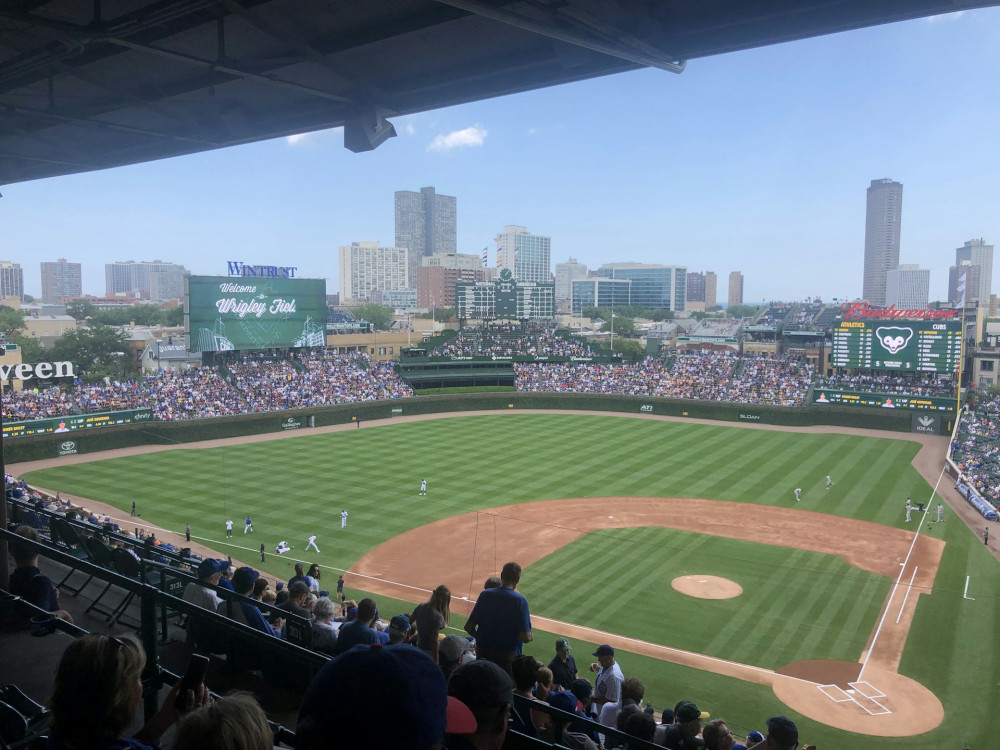
Media coverage has always played a key role in building excitement around sports—and by extension, betting. When major events like the Super Bowl, March Madness, or the World Series dominate screens, betting activity tends to surge. The more exposure an event gets, the more people want to participate, often by placing a wager to feel part of the action.
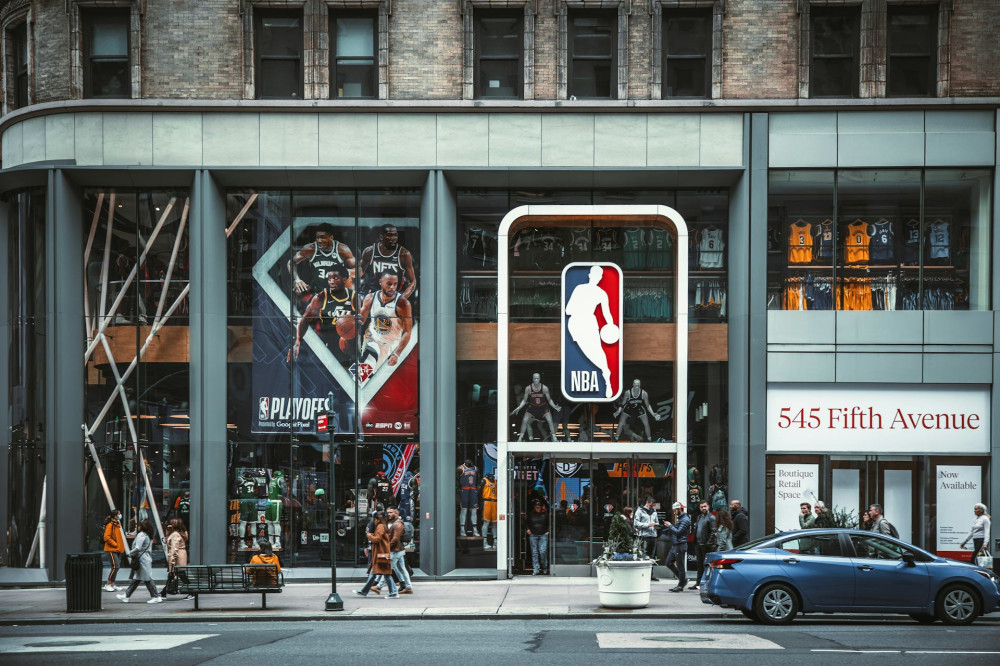
Sports journalism has also evolved. Coverage now goes beyond scores and highlights to include odds, analytics, and betting insights. Many media outlets partner directly with sportsbooks, blurring the line between reporting and promotion. This creates both opportunities and challenges for consumers, who must navigate a landscape where entertainment and commercial interests overlap.
Social Media and the New Betting Culture
In recent years, social media has transformed how betting is shared and experienced. On platforms like X (formerly Twitter), TikTok, and YouTube, users post betting tips, predictions, and “locks of the day” at a rapid pace that makes it easy to get caught up in the excitement.
Influencers and streamers have made betting part of their personal brands, and many young adults encounter the betting world for the first time through these channels. This creates a sense of community and thrill—but also a risk that betting is portrayed as a quick path to profit rather than a form of entertainment.
Fans as Active Participants
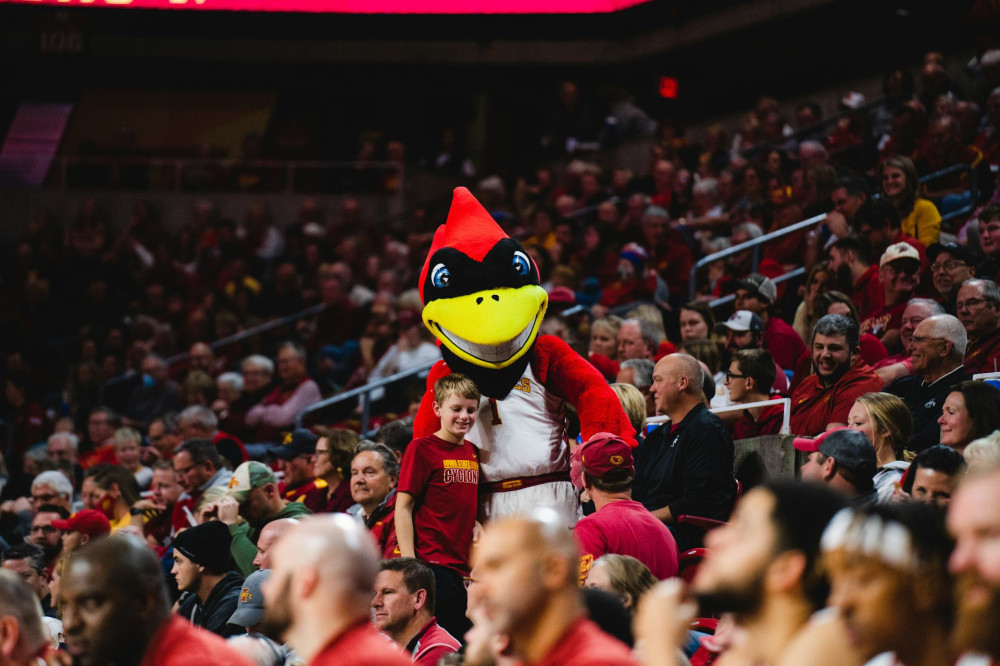
One of the most striking changes in betting’s popularity is how fans increasingly see themselves as active participants in the drama of sports. When you’ve placed a bet on a game, every touchdown, three-pointer, or penalty call suddenly feels personal.
This kind of “interactive engagement” helps explain why betting appeals to so many. It’s not just about money—it’s about feeling closer to the event. For many, betting enhances the excitement and makes watching sports more immersive.
Advertising and Responsibility
At the same time, the betting industry faces growing pressure to act responsibly. Sports broadcasts are filled with betting ads, but these have also drawn criticism for normalizing gambling—especially among younger audiences. Some U.S. states have begun tightening regulations on how and when betting can be advertised.
There’s a growing awareness that popularity shouldn’t come at the expense of responsibility. Many operators now promote “responsible gaming” campaigns, and media outlets share a role in presenting betting content in a balanced, transparent way.
Læs også:



The Impact of Technology
Digital technology has made betting more accessible than ever. With a few taps on a smartphone, fans can place live bets during a game, track odds in real time, and share their picks with friends. This immediacy has turned betting into a spontaneous activity, while also raising expectations for constant engagement.
Technology has also expanded the range of betting options—from eSports to virtual sports—and enabled highly targeted marketing. Media and betting companies can now tailor content to individual users, increasing engagement but also testing the limits of ethical advertising.
Balancing Excitement and Caution
The popularity of betting stems from a mix of factors: media exposure, social interaction, technological innovation, and the audience’s desire to be part of the game. But with greater accessibility comes the need for reflection.
How can we ensure that betting remains entertainment rather than addiction? And how can media present betting in ways that both engage and inform?
The answer likely lies in balance—between the thrill of participation and the awareness that betting should always stay what it was meant to be: a game.
Læs også: