Find the Balance Between Risk and Reward with Cycling Odds Comparison

Find the Balance Between Risk and Reward with Cycling Odds Comparison
Cycling is a sport built on endurance, tactics, and timing — and the same principles apply when betting on it. Whether you follow the Tour de France, the Giro d’Italia, or the major one-day classics, comparing cycling odds can help you strike the right balance between risk and reward. But how do you do it wisely and responsibly? Here’s a guide to using odds comparison as a tool for making smarter betting decisions on cycling.
Understand the Dynamics of Cycling Races
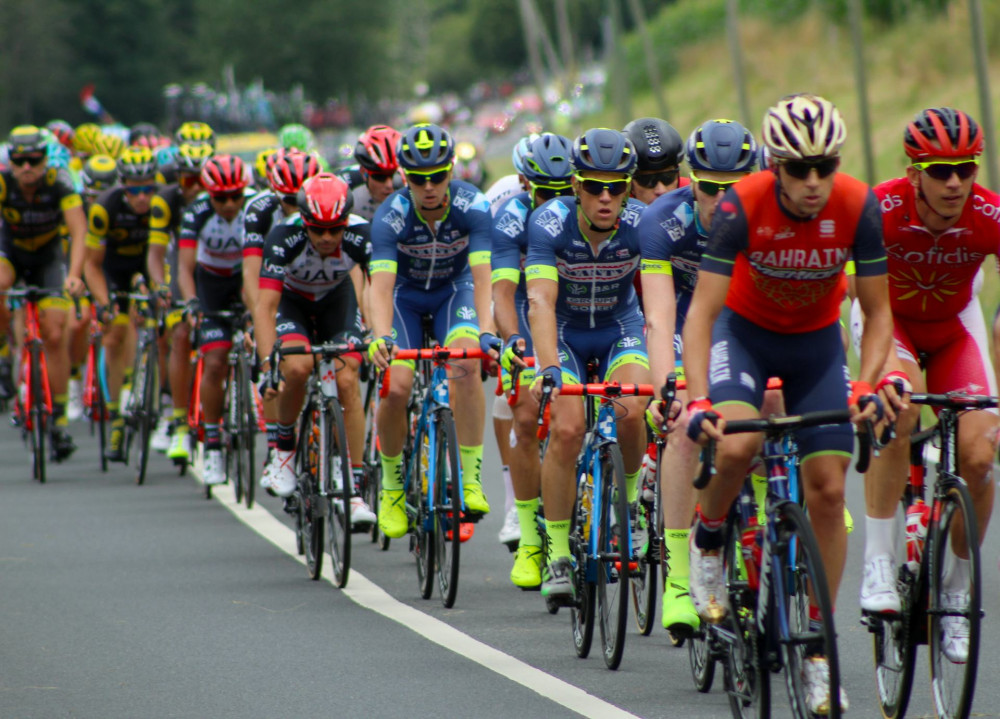
Cycling is unpredictable. Weather, terrain, team tactics, and even crashes can change the outcome in an instant. A favorite can lose time in a crosswind, a domestique might get the green light to chase a breakaway, and an underdog can surprise everyone on the final climb. That’s why odds reflect not only a rider’s strength but also the probability and market perception of their chances.
When comparing odds, it’s not just about finding the highest number — it’s about determining whether that number realistically represents the rider’s chance of winning. This requires both knowledge of the sport and the ability to analyze data, trends, and race conditions.
Læs også:

Why Odds Comparison Matters
Different sportsbooks often have different assessments of the same race. One bookmaker might list a rider at +400, while another offers +550. That difference might seem small, but over time it can significantly impact your overall returns.
Using odds comparison tools gives you a clear view of the market and helps you choose the most favorable odds available. It’s a simple way to maximize potential profit without increasing your risk.
- Better value for your money: Get more out of your wagers by always choosing the best available odds.
- Deeper insight: Comparing odds reveals how the market views each rider’s chances.
- Strategic advantage: Spot discrepancies between bookmakers and use them to your benefit.
Know Your Risk Profile
Betting on cycling isn’t just about knowledge — it’s also about self-awareness. Some bettors prefer to back favorites with lower odds and higher probabilities, while others chase long shots with big potential payoffs but greater risk.
Consider which type of bettor you are:
- The cautious analyst: You place small bets on consistent performers.
- The strategic speculator: You look for value where the market underestimates a rider.
- The risk-taker: You go for high odds and big wins — and accept losses as part of the game.
Knowing your risk profile helps you find a balance where betting remains fun and doesn’t become a financial strain.
Use Data and Form as Your Guide
Cycling is a sport where form and race profiles matter immensely. A climber who dominates in the mountains won’t necessarily shine in a flat sprint, and a strong time trialist might surprise in a race with many solo efforts.
When comparing odds, consider:
- Recent results: How has the rider performed in similar races?
- Team strategy: Is the rider a team leader or a support rider?
- Weather and terrain: Does the course suit their strengths?
- Motivation: Is this a key target race or just preparation for a bigger goal?
The more context you understand, the better you can judge whether an odd offers real value.
Bet Responsibly — and Stay in Control
Even with the best odds comparison, betting always involves risk. Set a budget and stick to it. Only wager what you can afford to lose, and treat betting as part of the entertainment, not as a source of income.
A good habit is to keep a simple record of your bets. Tracking your wins and losses helps you identify patterns and refine your strategy over time.
Balancing Knowledge and Luck
Betting on cycling is a mix of analysis and intuition. You can study every detail, but there will always be unpredictable elements — and that’s part of what makes the sport, and the betting experience, so exciting.
By using odds comparison as a tool, you can make more informed decisions, find value in the market, and keep the thrill of the sport alive. In the end, finding the balance between risk and reward isn’t about betting big — it’s about betting smart.
Læs også: