Home-Court Advantage in Basketball – Myth or Measurable Edge?

Home-Court Advantage in Basketball – Myth or Measurable Edge?
When a basketball team plays on its home court, fans and commentators often talk about the “home-court advantage.” The players know the floor, the crowd is on their side, and some even claim referees subconsciously favor the home team. But how much of that is backed by data, and how much is just a sports myth that refuses to die?
The Numbers Don’t Lie
Looking at decades of NBA data, home teams have historically won about 60% of their games. That number has dipped slightly in recent seasons, but it still suggests that playing at home provides a real, measurable edge. Basketball, compared to many other sports, shows one of the strongest home-field effects—likely because of the game’s pace, the influence of officiating, and the emotional energy of the crowd.
Researchers analyzing millions of games across sports have found that basketball’s home advantage stands out. The combination of constant scoring, close referee calls, and crowd involvement makes the environment uniquely sensitive to psychological and situational factors.
The Crowd as the Sixth Man
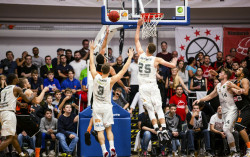
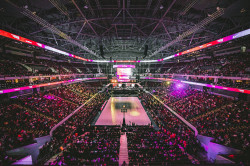
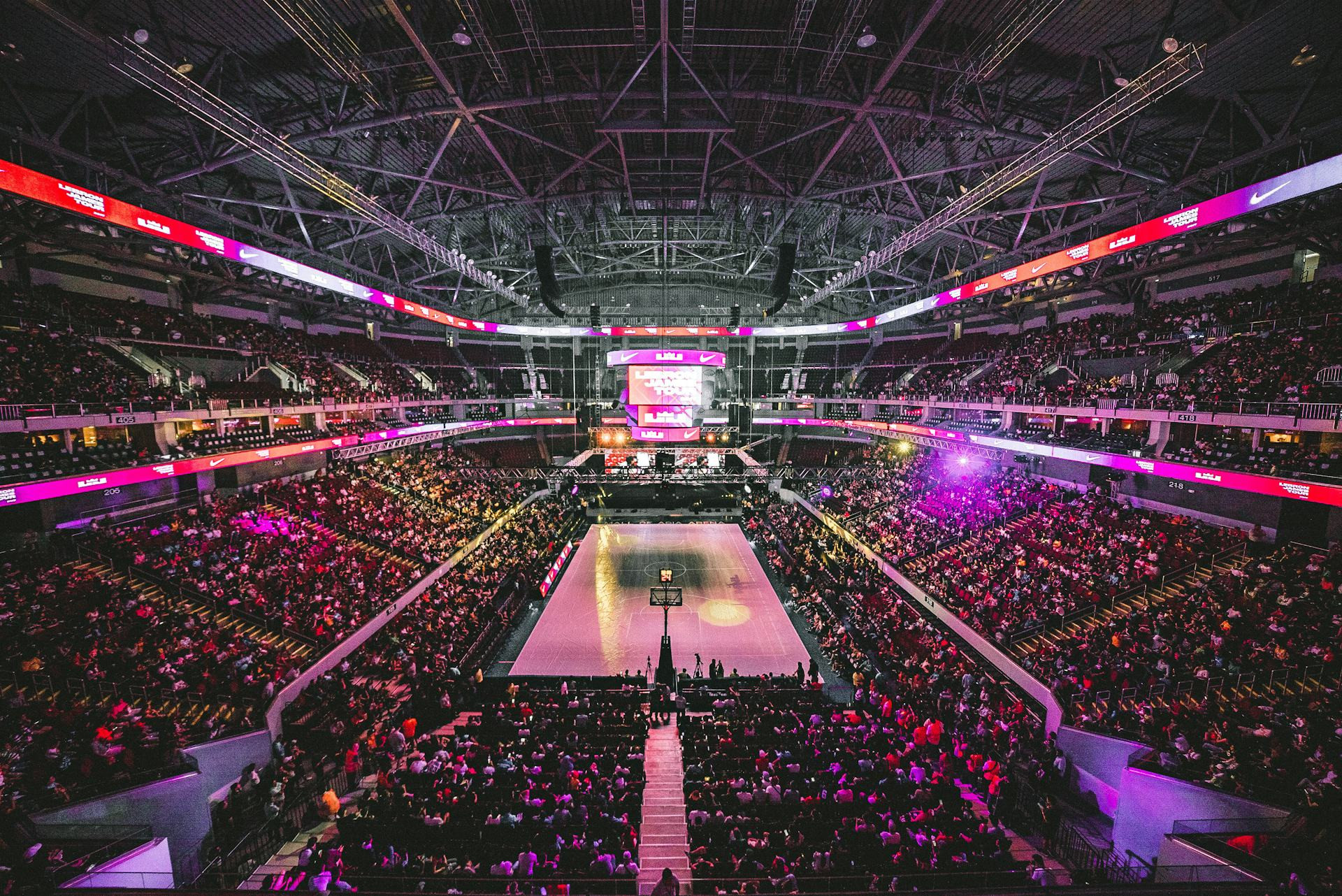
A packed arena can feel electric. The roar after a dunk, the collective gasp at a missed shot, and the rhythmic chants during free throws all shape the atmosphere. For home players, that energy can boost confidence and focus. For visiting teams, it can be distracting or even intimidating.
Referees, too, are human. Studies have shown that officials can be subtly influenced by crowd reactions, especially in tight games. It’s not about bias or intent—it’s about human psychology. When thousands of fans erupt after a whistle, it can unconsciously sway judgment on marginal calls.
Travel, Fatigue, and Routine
Beyond the noise, logistics matter. Visiting teams often face long flights, unfamiliar hotels, and disrupted routines. In a sport where precision and rhythm are everything, even small changes can affect performance. Sleep patterns, meal timing, and practice schedules all shift on the road.
In the NBA, where teams regularly cross multiple time zones, the effect is magnified. A West Coast team playing an early game in the Eastern time zone may struggle with energy and focus, particularly in the opening minutes. Over an 82-game season, those small disadvantages add up.
Technology and Preparation Are Changing the Game
In recent years, the home-court advantage has been shrinking. Better travel conditions, advanced analytics, and improved preparation have helped teams adapt more effectively to away environments. Coaches now use data to simulate opponents’ styles and prepare players for specific arenas.
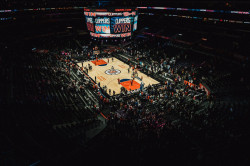
The COVID-19 pandemic offered a natural experiment. When games were played in empty arenas, the home-court advantage nearly disappeared. Without fans, the psychological boost—and the subtle pressure on referees—was gone. It was a clear sign of how much the crowd contributes to the phenomenon.
Turning the Advantage into Strategy
For coaches and players, the key is to control what can be controlled. Some teams deliberately use their home environment to their benefit—pushing the tempo when the crowd is loud or exploiting their familiarity with the court’s bounce and lighting.
Visiting teams, on the other hand, can minimize the disadvantage through mental preparation and routine. Many arrive a day early, practice in the arena, and use visualization techniques to feel more comfortable in unfamiliar surroundings.
Læs også:

Myth or Measurable Edge?
The truth lies somewhere in between. Home-court advantage in basketball is not a myth—it’s supported by decades of data and explained by psychology, physiology, and logistics. But it’s not a guarantee of victory either. As the sport becomes more professional and evenly matched, the edge is narrowing.
Still, the home court will always mean something special. It represents comfort, energy, and community—and in a game where momentum can shift in seconds, that emotional lift might be just enough to turn the tide.
Læs også: