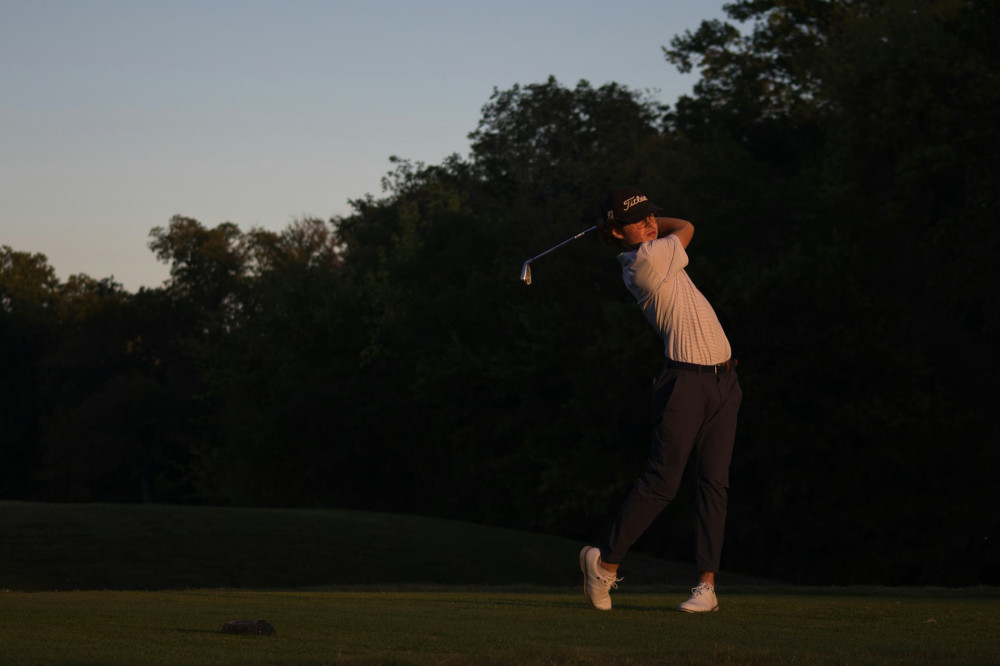
Individual or Team? The Role of Form in Golf Tournaments

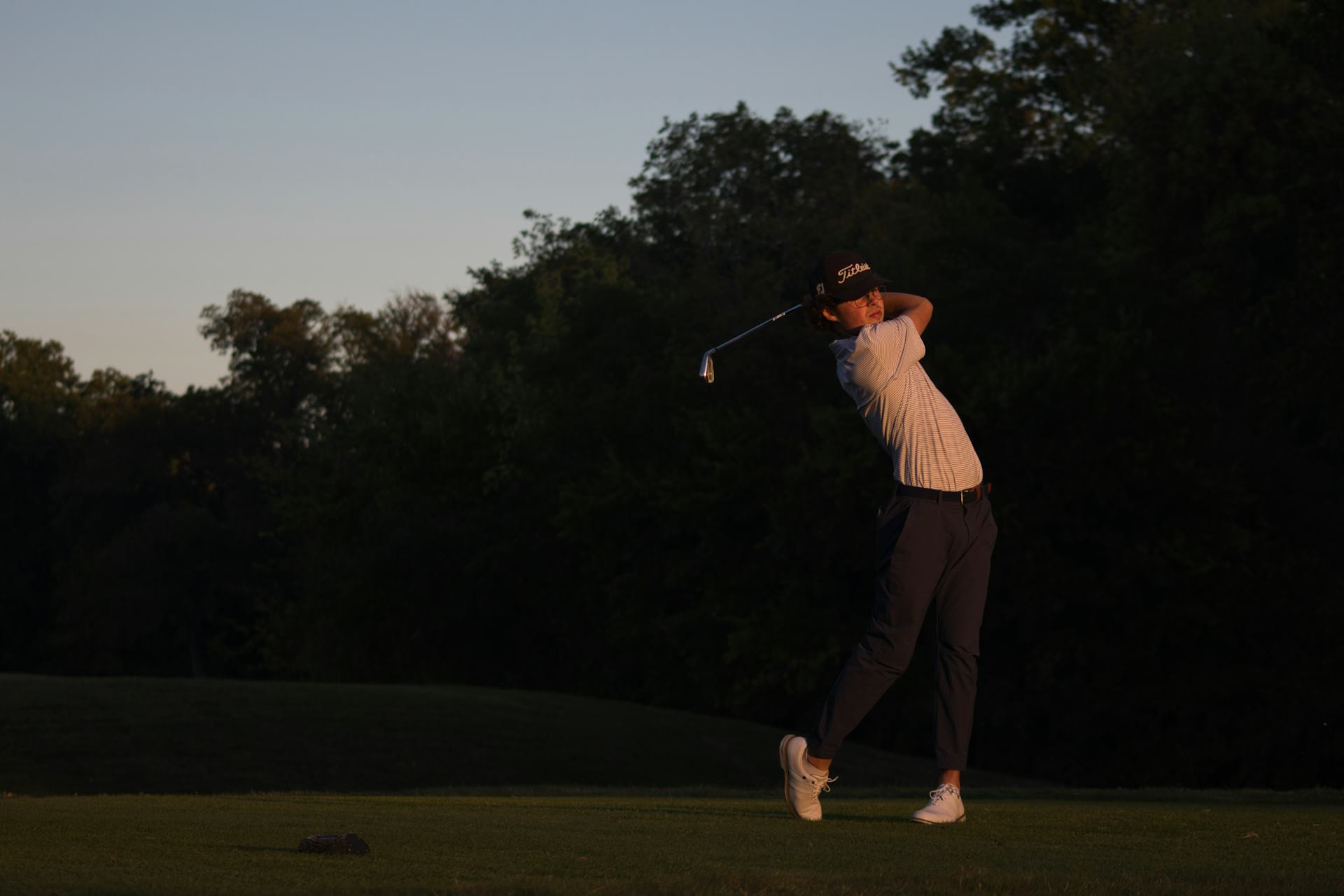
Individual or Team? The Role of Form in Golf Tournaments
Golf is, at its core, an individual sport—one player, one set of clubs, one goal: to get the ball in the hole in as few strokes as possible. Yet, there are tournaments where teamwork and chemistry matter just as much as swing mechanics and putting touch. The question is: how much does form—both individual and collective—really influence performance in golf tournaments?
Individual Form – Rhythm, Confidence, and Timing
In most professional events, such as those on the PGA Tour or LPGA Tour, players compete as individuals. Here, personal form is everything. A golfer in good form finds fairways more often, reads greens more accurately, and makes better decisions under pressure. But form isn’t just about technique—it’s also about mental balance and confidence.
Golf is a game where small dips in self-belief can have big consequences. A player who trusts their swing and routine can stay consistent over four rounds. Conversely, one bad day on the greens can linger mentally and affect the rest of the week. That’s why many professionals work with sports psychologists to maintain focus and regain rhythm when things go off track.
Team Competitions – When Form Becomes a Shared Responsibility
Although golf is usually an individual pursuit, some of the sport’s most celebrated events are team-based, such as the Ryder Cup, Presidents Cup, and Solheim Cup. In these tournaments, players represent their country or continent, and the dynamic changes completely. A golfer who’s used to thinking only about their own score must now collaborate strategically with a partner—and perform for the team.
Form still matters, but it takes on a new dimension. A player in top form can lift the entire team’s morale, while one struggling can find strength in the group. Captains often select players not only for their recent results but also for their personality and ability to create positive energy. A steady, supportive teammate can be just as valuable as a superstar who alternates between brilliance and frustration.
Momentum and Form – The Invisible Game Within the Game
Form in golf is rarely constant. It ebbs and flows, influenced by training, travel, weather, and mental state. Some players peak in spring, others in late summer. Much of a golfer’s season planning revolves around timing their best form for the majors or team events.
In team formats, momentum can be everything. A couple of early wins in the Ryder Cup can spark a chain reaction that energizes the entire squad. On the other hand, a slow start can spread doubt. That’s why commentators often talk about “contagious form”—the idea that confidence and energy can transfer between teammates, for better or worse.
Data and Strategy – Measuring and Managing Form
Modern golf relies heavily on data to track and understand form. Metrics like strokes gained, greens in regulation, and putting average provide a detailed picture of where a player is excelling and where improvement is needed. Coaches and analysts use these insights to fine-tune practice routines and develop strategies that align with a player’s current strengths.
In team competitions, captains use similar data to pair players whose games complement each other. A long hitter might be matched with a precise putter, creating a balanced duo. In this way, form becomes not just an individual concern but a tactical asset.
When Form Meets Emotion – The Human Factor
Even with all the technology and analytics, golf remains deeply human. A player in poor form can suddenly find their spark when inspired by teammates or a supportive crowd. Conversely, a player in great form can lose rhythm under the weight of expectation.
Ultimately, form in golf is a blend of physical skill, mental resilience, and emotional connection. It’s about how players handle pressure, adapt to challenges, and feed off the energy around them. Whether competing alone or as part of a team, those who manage this balance best are the ones who end up holding the trophy.
Læs også:




Conclusion – The Dual Nature of Form
Form in golf has two faces: the individual and the collective. In traditional tournaments, it’s all about personal rhythm and confidence. In team events, it’s about chemistry, strategy, and shared momentum. Yet, in every format, form remains elusive—something to be nurtured, understood, and respected.
For players, coaches, and fans alike, that unpredictability is part of golf’s enduring appeal. A golfer can be invisible one week and unstoppable the next—and in team play, one inspired round can change everything. Form is the heartbeat of golf, and it never beats quite the same from one tournament to the next.
Læs også: