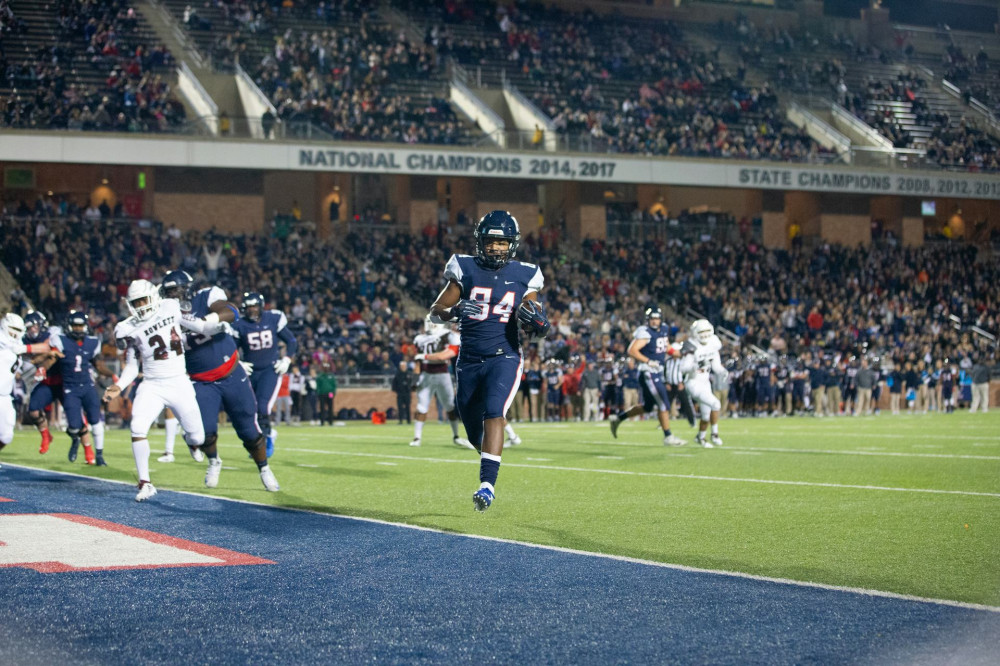
Sports Analysis in Practice: Coaches, Data, and Targeted Adaptation

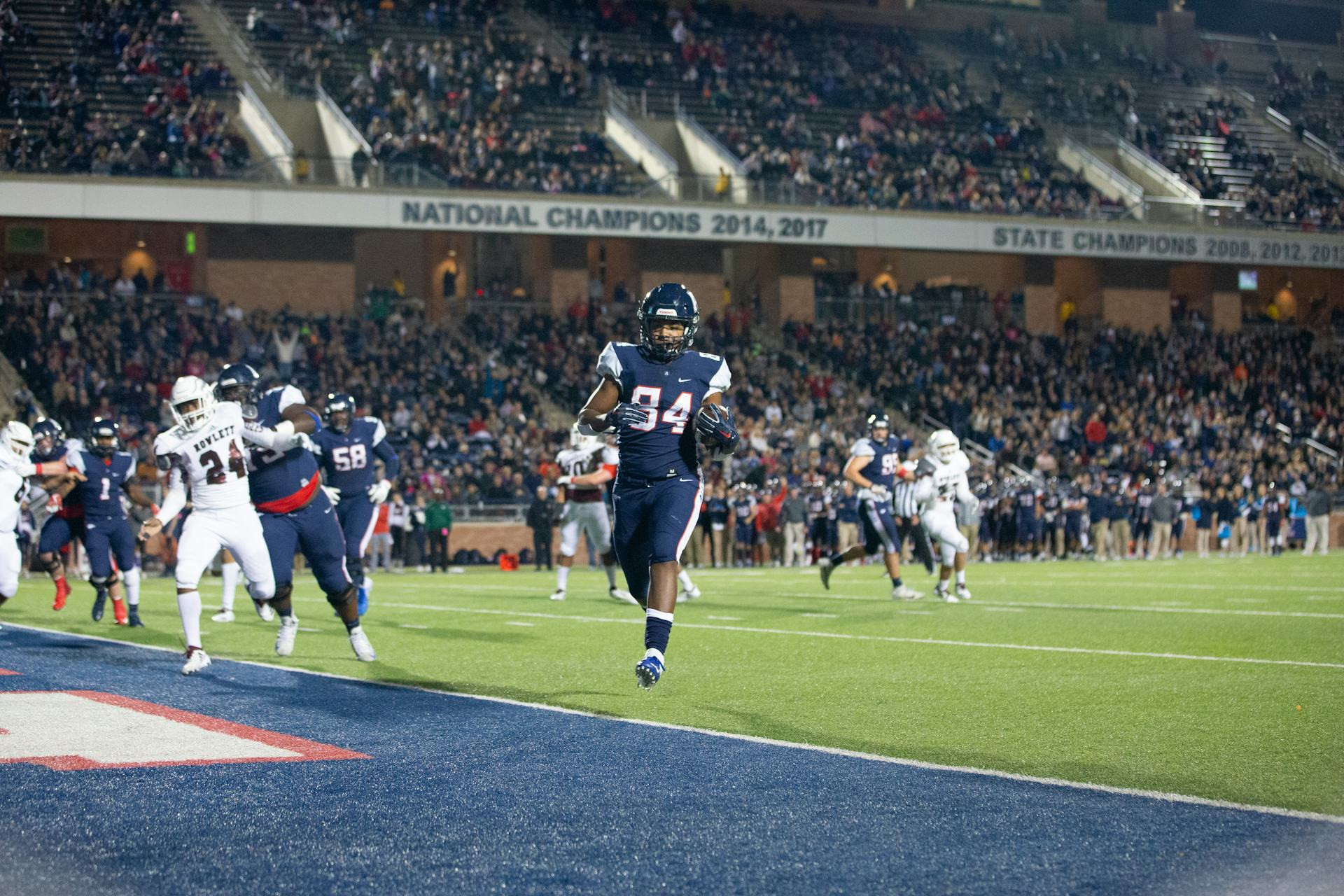
Sports Analysis in Practice: Coaches, Data, and Targeted Adaptation
In modern sports, intuition and experience are no longer enough. Data now plays a central role in how coaches plan, adjust, and evaluate performance. From football and basketball to baseball and esports, analytical tools are used to understand game rhythm, player movement, and opponent weaknesses. But what does it actually look like in practice when data meets a coach’s instincts?
From Gut Feeling to Measurable Insight
A decade ago, most coaching decisions were based on observation and experience. Today, those instincts are supported by advanced data insights. GPS trackers, heart-rate monitors, and video analysis provide a detailed picture of how athletes move, how much they exert themselves, and how their performance changes over time.
Data helps uncover patterns that the human eye might miss. A player who seems consistent on the surface may show early signs of fatigue when sprint frequency or recovery time is analyzed. This allows coaches to adjust training loads before injuries occur.
The Coach’s Role in a Data-Driven World
Even though data has become a permanent part of sports, it’s still the coach who must turn numbers into action. Statistics might show that a team loses possession more often on the left side, but it takes tactical understanding to identify why—and how to fix it.
The best coaches use data as a supplement, not a substitute, for experience. They know that numbers only make sense in context. A player might cover less distance in a game but still be decisive if his positioning and decision-making are sharp. Modern sports analysis is therefore about combining quantitative data with qualitative understanding.
The Technology Behind the Decisions
Behind the scenes, analysts work with software capable of processing thousands of data points from every game. Tools like Hudl, Catapult, and Statcast visualize movement patterns, passing networks, and intensity zones. In some programs, data is integrated directly into training sessions through tablets and on-field screens, allowing players to see their performance in real time.
Artificial intelligence is also gaining ground. Algorithms can predict the likelihood of scoring based on position, pass speed, and defensive formation. This gives coaches a new foundation for decision-making—but also a responsibility to use technology wisely.
Læs også:


Targeted Adaptation – From Team to Individual
One of the greatest advantages of sports analysis is the ability to tailor training to the individual. Where practice once followed a one-size-fits-all model, it can now be customized. A striker might focus on finishing from specific angles, while a midfielder works on tempo and passing patterns.
In team sports, this means coaches can optimize both the collective and the individual. In individual sports like track and field or cycling, data helps fine-tune technique, energy use, and recovery. It’s not just about training harder—it’s about training smarter.
The Challenge: Keeping the Human Element in the Numbers
While data provides invaluable insight, there’s a risk of drowning in information. Too many metrics can create confusion instead of clarity. That’s why it’s crucial for coaches and analysts to communicate results in a way that makes sense to athletes.
And the human factor must never be forgotten. Motivation, teamwork, and mental resilience can’t always be measured. A coach who combines data with empathy and communication often achieves the best results.
The Future of Sports Analysis
The evolution is far from over. In the coming years, we’ll see even more precise sensors, real-time in-game data, and integration of psychological and physiological measurements. The line between analysis and strategy will continue to blur—coaches will increasingly act as both leaders and data interpreters.
Sports analysis in practice is not just about technology; it’s about building a culture where knowledge is actively used to improve performance. When data and human insight work hand in hand, even small adjustments can make the difference between victory and defeat.
Læs også: