Strategic Sense: When the Driver Understands and Adapts to the Race Better Than the Competition

Strategic Sense: When the Driver Understands and Adapts to the Race Better Than the Competition
In motorsport, speed alone doesn’t win races. The fastest car or the most powerful engine can only go so far. More often, victory belongs to the driver who reads the race better than anyone else — who understands tire wear, changing track conditions, and the strategies of rivals. Strategic sense is one of the most underrated yet decisive skills in modern racing, and it often separates champions from the rest of the field.
When Intuition Meets Data
Today’s racing world is more data-driven than ever. Teams monitor everything from tire temperatures and fuel consumption to aerodynamic efficiency and lap-time deltas. But even with all that information, it’s still the driver who must make split-second decisions behind the wheel.
The best drivers blend intuition with analytics. They feel how the car behaves and sense when to push and when to conserve. This ability to interpret the race as it unfolds — to anticipate rather than react — is what turns a good driver into a great one.
Timing Is Everything
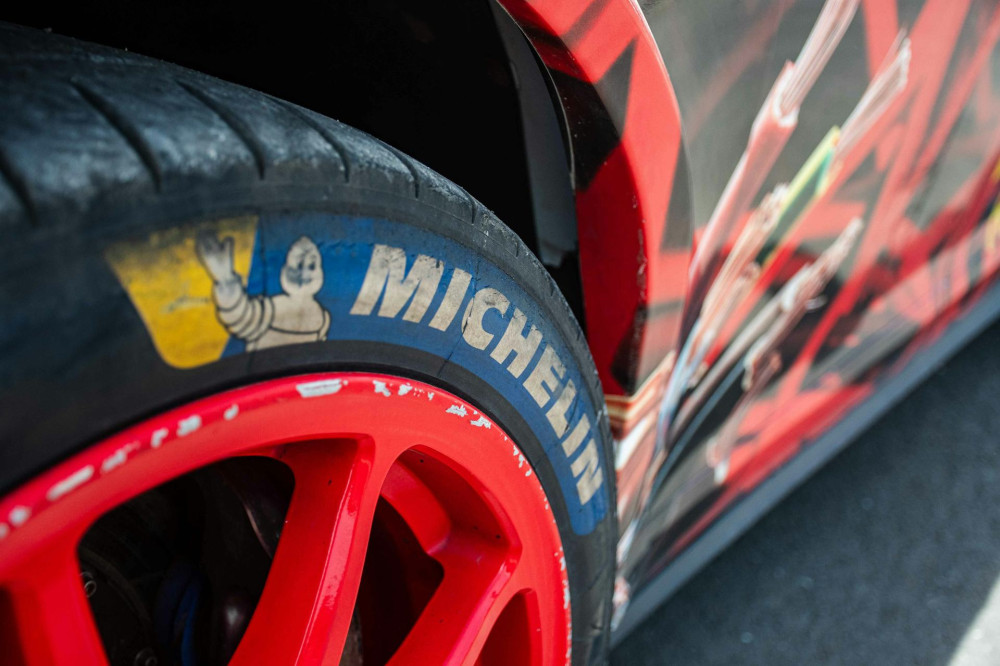
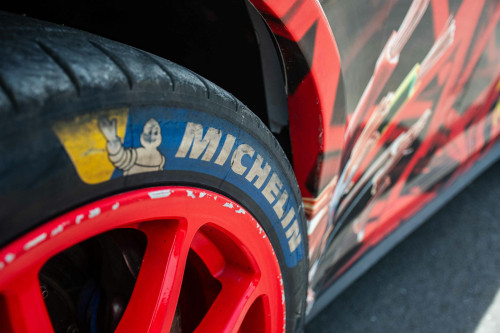
Few moments test a driver’s strategic sense like the timing of a pit stop. Stop too early, and the tires may degrade before the finish. Wait too long, and you risk losing precious seconds. Drivers with strong strategic instincts know how to communicate with their teams and recognize the perfect window when track conditions, weather, and competitor behavior align.
Rain races amplify this challenge. The transition between dry and wet conditions can flip the order in an instant. The driver who dares to switch to the right tires at the right moment can leapfrog the field — not through raw speed, but through superior judgment.
Læs også:

Reading the Competition
Strategic sense also involves psychology. Experienced drivers can read their opponents — spotting patterns, weaknesses, and moments of hesitation. Maybe a rival consistently brakes too early into a corner, or struggles under pressure when being chased. Recognizing these tendencies allows a driver to apply pressure at just the right time, forcing mistakes rather than relying solely on outright pace.
It’s a mental chess match played at 200 miles per hour, where patience and timing often yield better results than aggression alone.
Communication and Teamwork
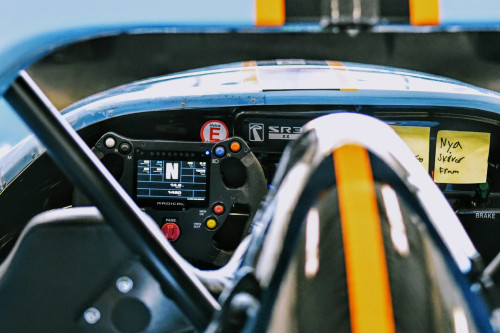
Even though the driver is alone in the cockpit, racing is a team sport. Strategic sense thrives on communication between driver and engineers. A skilled driver provides precise feedback about how the car feels, helping the team make informed decisions about tire choice, fuel strategy, and pace management.
The best teams develop an almost instinctive connection between pit wall and driver’s seat. When that synergy clicks, they can react faster to changing conditions and seize opportunities that others miss.
Risk and Reward
Strategic sense isn’t about playing it safe — it’s about taking the right risks. A driver who always chooses the conservative option rarely wins championships. On the other hand, reckless gambles can end in disaster. The greats know how to walk that fine line, understanding when to attack and when to settle for solid points. Managing risk in real time is what makes strategic sense as much an art as a science.
Strategy as Part of the Game
For fans and bettors alike, understanding a driver’s strategic mindset adds a new layer to watching a race. A driver with sharp tactical awareness can outperform faster cars and turn unpredictable conditions into opportunity. That’s why it’s worth looking beyond qualifying times and top speeds when predicting race outcomes.
Watching how a driver adapts to the evolving rhythm of a race reveals the true depth of motorsport — a blend of speed, intelligence, and instinct that keeps fans on the edge of their seats, whether they’re trackside or watching from home.
Læs også: