Tennis Court Surfaces: How Climate and Geography Shape the Game’s Popularity

Tennis Court Surfaces: How Climate and Geography Shape the Game’s Popularity
Tennis may be a global sport, but the way it’s played—and even the surfaces it’s played on—varies dramatically from place to place. One of the biggest factors behind these differences is the court surface: clay, grass, or hardcourt. Each surface interacts with local climate, geography, and culture in unique ways, influencing not only how the game feels but also which players and nations rise to prominence.
Clay, Grass, and Hardcourt – Three Worlds in One Game
The three main surfaces in tennis each create their own version of the sport:
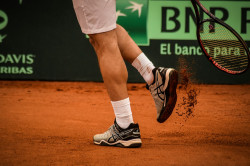
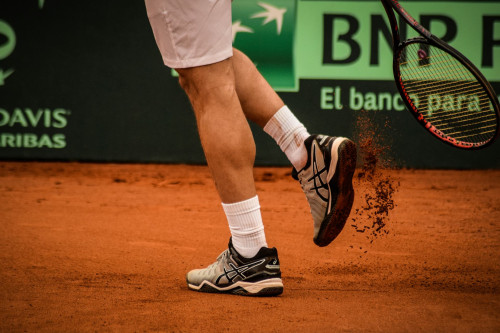
- Clay courts (like those at the French Open in Paris) are slow and produce high bounces. They reward patience, endurance, and strategic point construction.
- Grass courts (as seen at Wimbledon) are fast and slick, favoring players with strong serves and quick reflexes at the net.
- Hardcourts (used at the US Open and Australian Open) offer a balanced playing experience, sitting between the extremes of clay and grass.
But why are some surfaces more common in certain regions than others? The answer lies in climate, economics, and tradition.
Climate’s Role: When Weather Dictates the Game
Climate plays a decisive role in determining which surfaces can be maintained efficiently.
In Southern Europe and Latin America, clay courts dominate because they handle heat and dry conditions well. They require regular watering and upkeep, but they’re resilient under intense sun.
In Northern Europe and the United Kingdom, the damp climate historically favored grass courts—especially in tennis’s birthplace, England. However, grass demands constant care, and many clubs have transitioned to hardcourts to cut maintenance costs.
In the United States, Australia, and much of Asia, hardcourts have become the standard. They’re durable, require less maintenance, and can be used year-round—even in extreme temperatures. This makes them ideal for both professional tournaments and recreational play.
Geography and Tradition: How Culture Shapes the Court
Beyond climate, geography and cultural tradition also shape tennis preferences. In Spain and Argentina, clay courts are part of the tennis identity, producing generations of players known for heavy topspin, stamina, and tactical play.
In Britain and Australia, the legacy of grass courts has fostered a tradition of fast, attacking tennis. Even though grass courts are now rare, their influence still echoes in the playing styles of many athletes.
In North America, hardcourts have long been the norm, encouraging a more powerful, direct style of play. The surface’s accessibility has also helped the U.S. host some of the sport’s biggest commercial events—proof that economics and availability often go hand in hand.
Economics and Accessibility: The Hidden Cost of a Court
Building and maintaining a tennis court is expensive, and the choice of surface often comes down to cost.
Clay courts require frequent upkeep but use inexpensive materials. Grass courts are the most expensive to maintain, while hardcourts represent a long-term investment that pays off through durability and low maintenance.
This economic reality shapes tennis development worldwide. In many developing regions, clay remains the most practical option, while wealthier nations often favor hardcourts. These choices influence where new talent emerges—and what kind of players dominate the global stage.
The Future of Tennis: Innovation and Sustainability
As climate change and sustainability concerns grow, the tennis world is rethinking its surfaces. Clubs and manufacturers are experimenting with eco-friendly hardcourt materials that reduce heat absorption and synthetic clay that requires less water. Hybrid surfaces that blend the qualities of multiple court types are also gaining attention.
As the planet warms and weather patterns shift, tennis courts may evolve too. Future generations of players could grow up on entirely new surfaces designed to balance performance, cost, and environmental impact.
Læs også:


A Game Shaped by the Ground Beneath Our Feet
Tennis is a global sport, but it’s also deeply local. The surface underfoot tells a story of climate, culture, and economy—and of how the natural world shapes human play. From the red clay of Madrid to the blue hardcourts of New York, tennis reminds us that the ground we stand on is as much a part of the game as the racket in our hands.
Læs også: