Track Conditions and Risk: How the Surface Affects the Horse’s Performance and Injury Risk

Track Conditions and Risk: How the Surface Affects the Horse’s Performance and Injury Risk
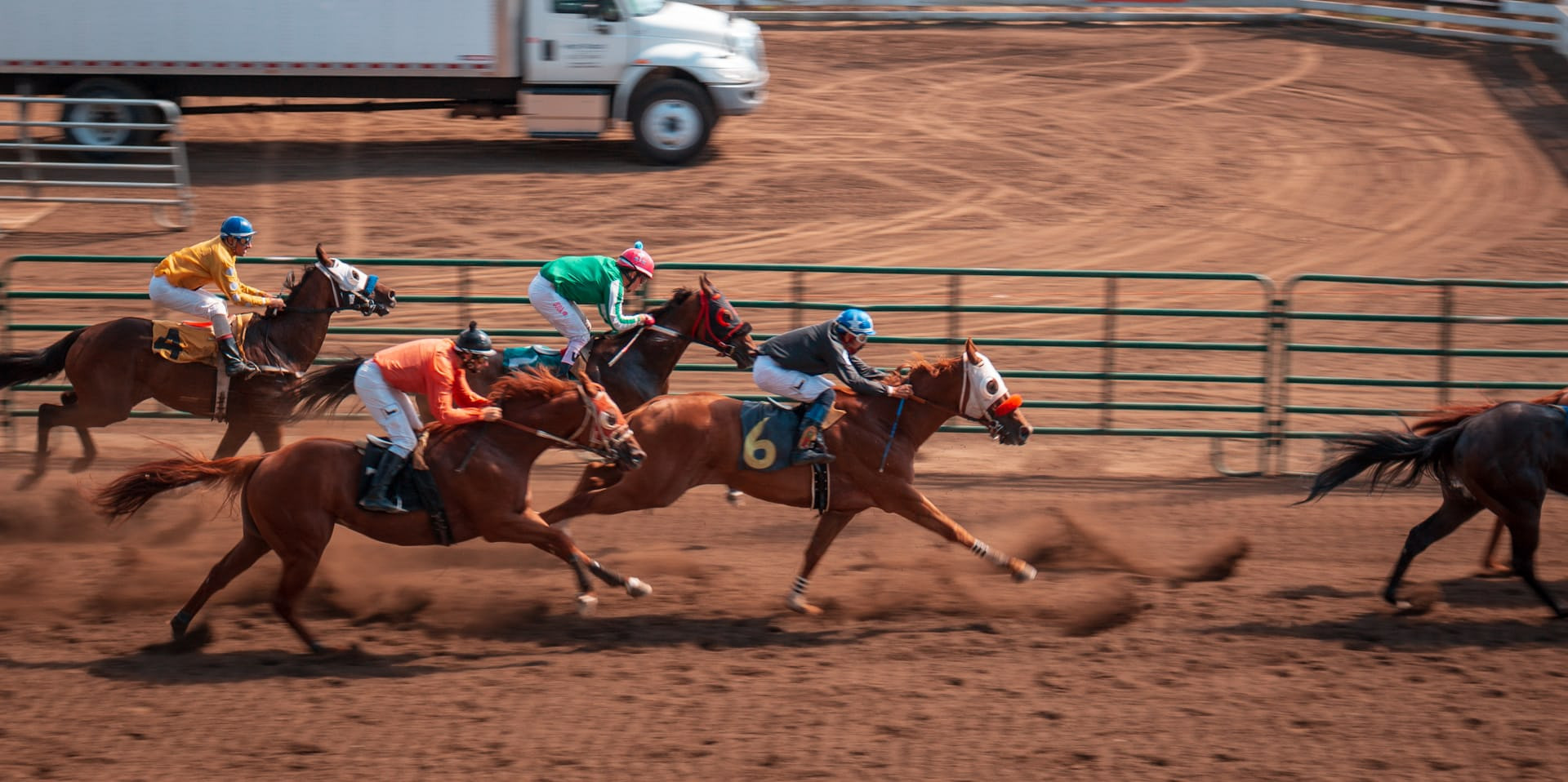
When racehorses thunder down the track, it’s not just speed, fitness, and jockey strategy that determine the outcome. The surface beneath their hooves plays a crucial role—both in performance and in the horse’s health. Track conditions can change from day to day, and even small differences in moisture, firmness, and maintenance can have a major impact on how a horse moves and reacts. In this article, we take a closer look at how the racing surface affects performance and injury risk—and why trainers, riders, and bettors alike should pay close attention to the state of the track.
How the Surface Shapes a Horse’s Movement
A horse’s stride is a finely tuned interaction between muscles, tendons, joints, and hooves. When the hoof strikes the ground, the surface must both absorb shock and provide traction. A surface that’s too soft can make the horse feel heavy and increase strain on tendons, while one that’s too hard can send concussive forces up the legs, leading to joint and bone issues.
In the U.S., most racetracks use one of three main surfaces: dirt, turf, or synthetic. Each behaves differently:
- Dirt tracks are traditional and often favor speed, but they can become deep and tiring when wet or dusty and hard when dry.
- Turf tracks depend heavily on moisture levels. A firm turf can be fast but jarring, while a yielding or soft turf provides more cushion but demands greater strength and stamina.
- Synthetic tracks—made from materials like wax-coated sand, rubber, and fibers—are designed to offer more consistent footing and reduce injury risk, though some horses perform better on natural surfaces.
Track Conditions and Performance
For trainers and jockeys, understanding the track’s character is essential before race day. Some horses thrive on firm, fast tracks, while others perform better when the surface has more give. It often comes down to the horse’s build, stride pattern, and past experience.
- Fast tracks (dry and firm) favor horses with efficient, ground-covering strides that can maintain high speed with minimal effort.
- Sloppy or muddy tracks (wet dirt) require strength and balance, as footing becomes unpredictable.
- Yielding or soft turf demands endurance and power, as each step sinks deeper into the surface.
For bettors, track conditions can be a key factor. A horse that excels on a “fast” dirt track may struggle when the surface turns “sloppy.” Reviewing past performances under similar conditions can reveal valuable patterns.
Læs også:


Injury Risk and Prevention
Injuries in horse racing often result from repetitive stress, and the surface is a major contributor. Hard tracks can cause microfractures and joint inflammation, while overly soft or uneven footing can lead to tendon and ligament strains. The combination of high speed, tight turns, and variable footing increases the risk even further.
Track maintenance teams work constantly to find the right balance. They monitor moisture levels, harrow the surface to maintain consistency, and ensure proper drainage. Advances in technology now allow for real-time measurement of track firmness and temperature, helping crews respond quickly to weather changes.
Trainers also adapt their programs to the surface. By alternating between different track types and training terrains, they can build a horse’s strength and flexibility, reducing the likelihood of injury.
Weather and Maintenance – The Hidden Variables
Weather is one of the biggest challenges in maintaining safe and fair track conditions. A sudden rainstorm can turn a fast dirt track into a sloppy one within hours, while heat and wind can dry out the surface and make it hard. Turf courses are especially sensitive to rainfall and temperature, which affect both footing and grass health.
Most U.S. racetracks publish an official track condition before each race—terms like “fast,” “good,” “sloppy,” or “muddy” for dirt, and “firm,” “yielding,” or “soft” for turf. These ratings are vital for trainers and bettors, but they can change throughout the day as weather shifts. Staying updated on the latest reports can make a real difference in understanding how a race might unfold.
What It Means for Bettors
For handicappers, track conditions are more than a footnote—they can be the deciding factor. A horse that’s average on a dry track might shine when the surface is wet, while a favorite could falter if the footing doesn’t suit its style. Paying attention to how each horse has performed under similar conditions can reveal hidden opportunities.
It’s worth taking the time to:
- Check track reports and weather forecasts before race day.
- Review past performances under comparable conditions.
- Listen to trainer and jockey comments about how a horse handles the surface.
Understanding track conditions isn’t just about predicting winners—it’s about appreciating the complexity of the sport.
A Shared Responsibility for Safety and Fairness
Ultimately, maintaining good track conditions is a shared responsibility. Grounds crews, trainers, jockeys, and racing officials all work together to create a safe and fair environment for both horses and riders. When the surface is right, races are not only more competitive and exciting but also safer for the athletes who make the sport possible.
Track conditions may be invisible to the casual fan, but they form the foundation of every race. To understand them is to understand how speed, performance, and safety are inseparably linked in the world of horse racing.
Læs også: