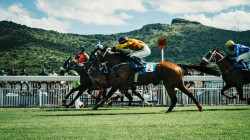
What Does It Mean to Be a Winner in Horse Racing?


What Does It Mean to Be a Winner in Horse Racing?
Being a winner in horse racing is about far more than crossing the finish line first. It’s a blend of athleticism, strategy, teamwork, and heart. In a sport where fractions of a second can decide the outcome, success depends on preparation, intuition, and the bond between horse and human. But what truly defines a winner in this fast-paced and storied sport?
The Foundation of a Winner: Training and Care
Victory begins long before race day. A winning horse is shaped through months—often years—of careful training, balanced nutrition, and attentive care. Trainers work tirelessly to find the right mix of stamina, speed, and temperament. A horse that feels confident, healthy, and mentally sharp is far more likely to perform at its peak.
Behind every champion stands a dedicated team: grooms, veterinarians, farriers, and stable staff. Every detail matters—from the fit of a saddle to the trimming of a hoof. In American racing, where competition is fierce and margins are razor-thin, these small adjustments can make all the difference. A winner, then, is not just one horse, but an entire team working in harmony.
Læs også:


The Jockey’s Role: Courage, Timing, and Instinct
The jockey is the horse’s partner in strategy and execution. It takes courage to guide a thousand-pound animal through a crowded field at top speed, and composure to make split-second decisions under pressure. The best jockeys know their mounts intimately—when to hold back, when to move, and when to unleash that final burst of speed.
Timing is everything. A move made too early can drain a horse’s energy; too late, and the finish line comes before the surge. Great jockeys develop an almost instinctive sense of rhythm and positioning, reading both their horse and their rivals. In races like the Kentucky Derby or the Breeders’ Cup, that intuition can be the difference between glory and heartbreak.
Strategy and Preparation
Every winning performance is built on a plan. Trainers study track conditions, weather, and the competition to craft the right approach. Some horses thrive on dirt, others on turf. Some prefer to lead from the start, while others are closers, saving their strength for a dramatic finish.
Choosing the right races is also part of the strategy. A horse that’s pushed too hard too soon can lose confidence, while a carefully managed campaign builds both form and morale. In American racing, where the calendar is packed with graded stakes and regional circuits, knowing when and where to run is as important as the race itself. Winning, in this sense, is as much about patience and planning as it is about speed.
The Mental Side of Winning
To be a winner in horse racing is also a state of mind. Both horse and human must handle pressure, setbacks, and the unpredictable nature of the sport. A stumble at the start, a blocked path, or a sudden change in pace can alter everything in seconds.
The best in the business—trainers, jockeys, and owners alike—learn from defeat and come back stronger. They understand that true success is built over time, through resilience and consistency. A winner isn’t just the one who lifts the trophy, but the one who keeps striving, learning, and believing.
The Fans and the Spirit of the Sport
Horse racing in the United States is more than a sport—it’s a tradition. From the roar of the crowd at Churchill Downs to the sunlit afternoons at Saratoga, fans, owners, and bettors share a passion for speed, beauty, and unpredictability. When a horse charges down the stretch and the grandstand rises in unison, everyone becomes part of that moment of triumph.
To be a winner in horse racing, then, is about more than prize money or fame. It’s about dedication, teamwork, and respect for the animal and the sport itself. In the end, the greatest victory may be the shared experience—the thrill of seeing horse and rider give everything they have, together, in pursuit of excellence.
Læs også: